


There are now plans for selective spending cuts and assessment of budget expenditures among the governments of the Gulf Cooperation Council (GCC) in light of continuing strife in the region and disturbances to the important sea lanes of communications.
Although sovereign wealth funds of the GCC remain important buffers against any exogenous shocks, different levels of vulnerability to energy export choke points and heightened security costs have affected the finances of individual countries differently. This is evident from Qatar’s decision to adopt substantial austerity measures, reducing spending in government departments by as much as 30% and cutting foreign aid by about 85%.

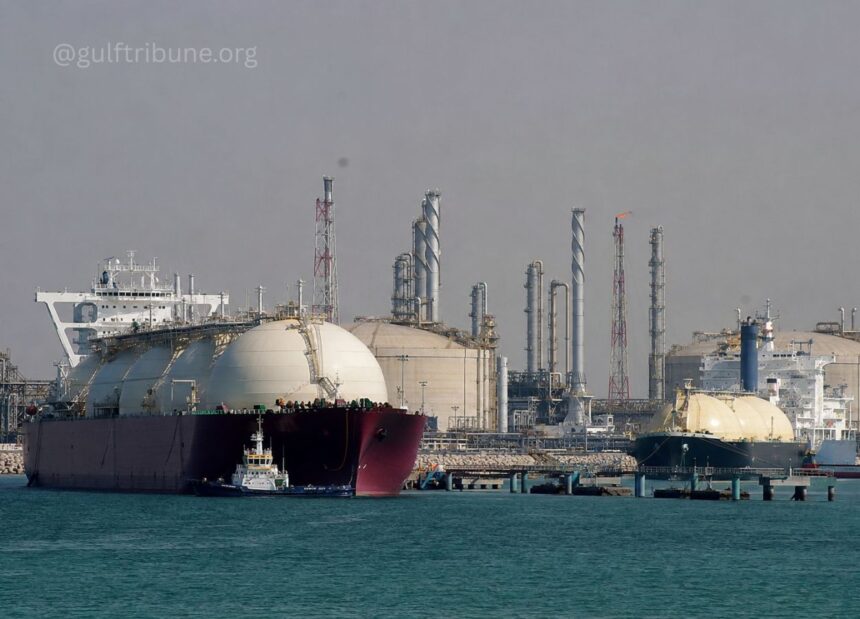
The expenditure reduction follows structural disruptions to liquefied natural gas (LNG) export infrastructure at Ras Laffan, which contributed to a first-quarter budget deficit of 10.3 billion riyals ($2.8 billion)—up from 500 million riyals during the same timeframe last year—alongside a 23.5% drop in total quarterly revenues. Consequently, the International Monetary Fund projects a GDP contraction of 8.6% for Qatar this year, representing the sharpest decline within the GCC.
In Saudi Arabia, official financial reporting indicates a Q1 deficit of 125.7 billion riyals ($33.5 billion), marking its highest quarterly deficit since 2018. Defence spending over the same three-month window rose 26% year-on-year to 64.7 billion riyals, reflecting broader resource allocations toward national security and vital infrastructure protection. Meanwhile, Kuwait’s state budget projections outline an estimated deficit of 9.8 billion dinars ($31.9 billion) for the 2026-2027 fiscal period, driven primarily by liquidity constraints resulting from temporary interruptions in crude oil shipments through the Strait of Hormuz. Analysts note that Kuwait’s public funding strategy is likely to prioritise project deferrals, delayed tenders, and reduced contract scopes over direct cuts to public sector payrolls or essential civic services.
The fiscal picture remains comparative across the broader region. The United Arab Emirates approved a balanced federal budget of 92.4 billion dirhams for 2026, supported by non-oil revenue streams and access to alternative export corridors such as Fujairah, located outside the Strait of Hormuz. However, commercial pressure remains evident, with Dubai Airports reporting a 31.3% reduction in passenger traffic during the first half of the year, while state energy firms navigate operational challenges. Across the GCC, regional analysts anticipate that non-essential capital projects and high-cost infrastructure developments could face extended implementation timelines if supply chain and maritime operational hurdles persist.