


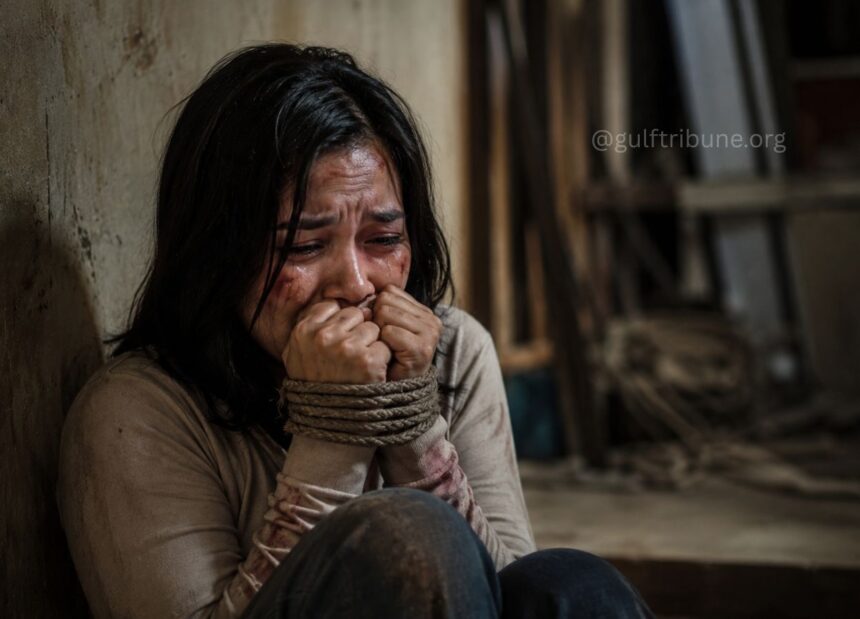
The United Arab Emirates has made strict laws on human trafficking. They enhance victim protection measures and closer international cooperation; as per the authorities, they have aimed to tackle one of the world’s fastest-growing forms of organized crime.
As trafficking gangs grow more organized and target vulnerable people across national borders. The UAE developed a strategy that unites criminal prosecution with prevention, rehabilitation, and international partnership. The country’s anti-trafficking framework is built around four key pillars—prevention, prosecution, protection, and cooperation—while federal laws have been updated to strengthen penalties against offenders and improve safeguards for victims.
A major milestone came with the introduction of Federal Decree-Law No. 24 of 2023, which amended the country’s anti-human trafficking legislation by broadening the legal definition of the crime and imposing stricter punishments for those involved in recruitment, transportation, or exploitation through coercion, deception, or abuse of power. The revised law also covers various forms of exploitation, including forced labour, sexual exploitation, slavery, and organ trafficking.
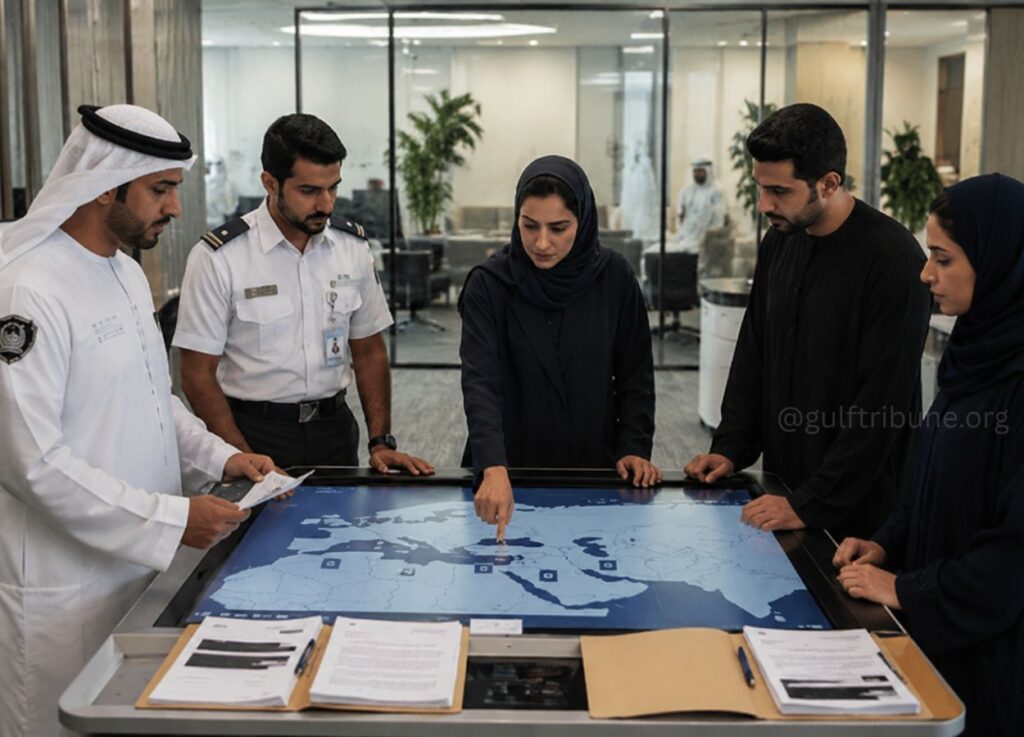
Alongside legal reforms, the UAE has invested in specialised services for survivors, including shelters, rehabilitation programmes, medical and psychological care, legal assistance, and reintegration support. Authorities have also intensified training for law enforcement officers, prosecutors, and judicial personnel to improve victim identification and strengthen investigations into trafficking networks. Public awareness campaigns targeting workers, employers, and communities have become another key component of the country’s prevention strategy.
Despite progress, authorities acknowledge that human trafficking remains a global challenge driven by conflict, poverty, and irregular migration. The UAE says it will continue strengthening its legal framework, enhancing victim-centered services, and deepening international partnerships to disrupt trafficking networks while ensuring those affected receive protection, justice, and access to long-term support.