


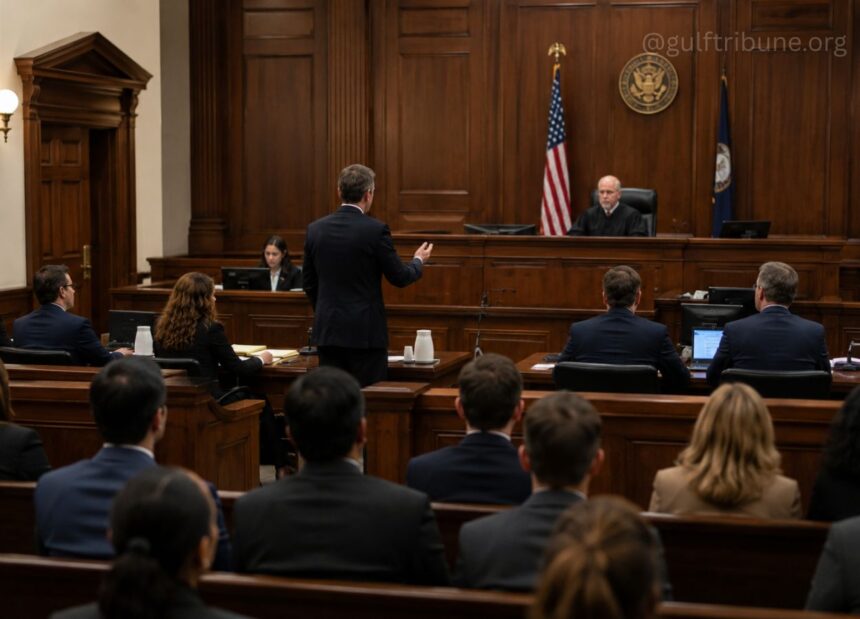
Technology firm Meta Platforms is being tried this week in U.S. federal court in a landmark case where state attorneys general accuse the firm of purposefully developing its social media networks in order to create an addiction among the young generation.
The critical court process is a defining time for Big Tech and accountability, as the prosecution seeks to find solutions that would lead to a fundamental change in the design of major digital communication platforms.
The civil case initiated by four state attorneys general from California, Colorado, Kentucky, and New Jersey argues that Meta designed its products to be addictive for adolescents through the implementation of features like endless scrolling, automatic video play, and instant notification systems.

Plaintiffs allege these engagement-driven mechanisms knowingly exacerbated youth mental health crises, contributing to elevated rates of adolescent anxiety, depression, and body dysmorphia.
Legal analysts draw parallels between the ongoing proceedings and historical mass tort litigation against tobacco and pharmaceutical corporations, where manufacturers faced liability for concealing product risks from the public. The state lawsuits further contend that Meta violated the Children’s Online Privacy Protection Act (COPPA) by illegally harvesting personal data from users under the age of 13 without verifiable parental consent. Prosecutors are seeking operational product modifications alongside statutory civil penalties that could reach up to $1.4 trillion.
Meta has consistently denied the allegations, maintaining that its software applications feature robust, age-appropriate safety guardrails, parental supervision tools, and screen-time management controls.
The federal trial in California follows precedent-setting jury decisions earlier this year that held social media conglomerates civilly liable for platform safety flaws. Legal experts anticipate the six-week trial will center on internal company communications, evaluating potential discrepancies between public corporate statements and internal safety research regarding platform effects on youth populations.