

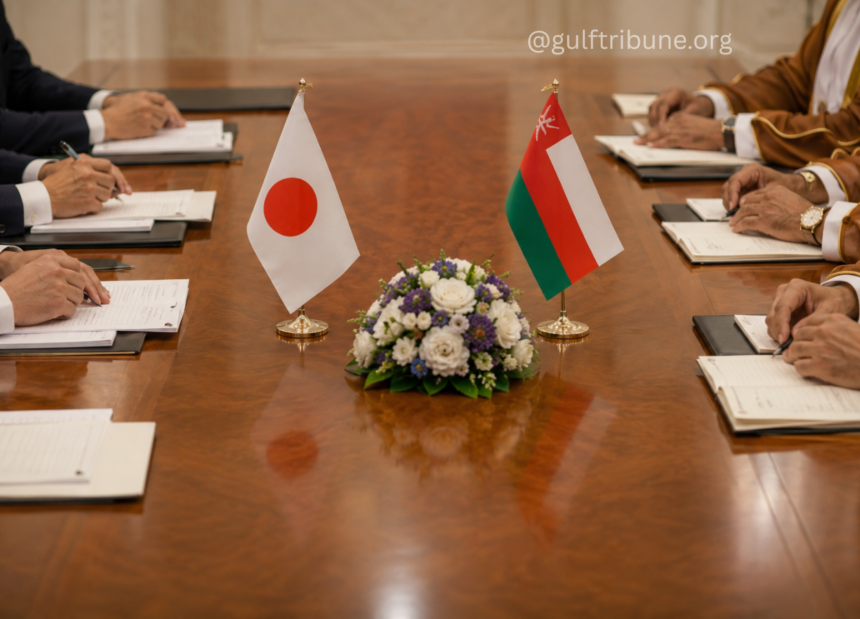
Oman and Japan together have issued an appeal for increased diplomatic efforts and political means to calm down the rising Middle East tensions, with special attention given to securing the transit of energy cargoes via important maritime bottlenecks.
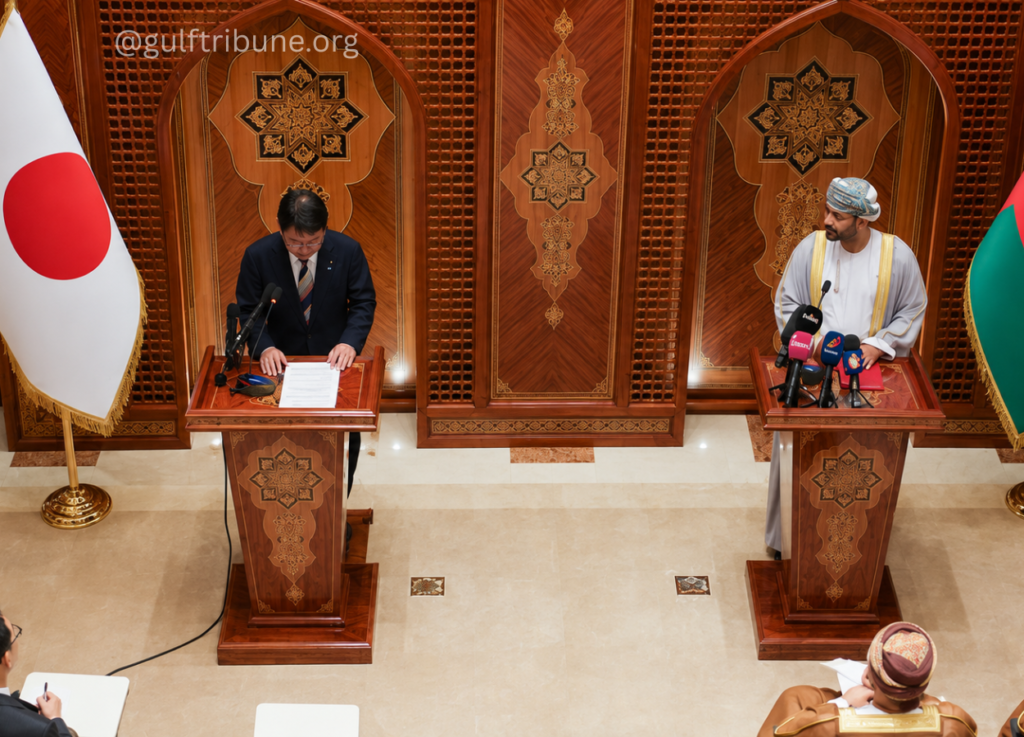
Speaking to the media at the conference, which was jointly organised in Muscat on Thursday, the Foreign Minister of Oman, Sayyid Badr bin Hamad al Busaidi, along with his Japanese counterpart, Toshimitsu Motegi, observed that there is a need for the freedom of navigation through the Straits of Hormuz and Bab el Mandeb for the stability of the world economy. It is also evident from their remarks that regional security is linked to the flow of maritime commerce and energy sources
The bilateral discussions come at a sensitive juncture as tensions surrounding Iran heighten. Tokyo, which relies heavily on Middle Eastern energy imports, expressed deep appreciation for
Muscat’s stable supply of crude oil and liquefied natural gas (LNG). Motegi noted that Japan is currently devising a comprehensive strategy to boost economic and energy resilience, seeking active participation in Omani water desalination initiatives and eco-friendly steel manufacturing.
Alongside security imperatives, the two ministers highlighted expanding bilateral economic ties as their diplomatic relationship nears its 55th anniversary next year. Muscat expressed strong optimism regarding the ongoing free trade negotiations between Japan and the Gulf Cooperation Council (GCC), noting that a finalised pact would fortify supply chains and investment across both regions.
Beyond traditional hydrocarbons, future Omani-Japanese economic cooperation will increasingly target green manufacturing, space exploration, advanced technology, hydrogen, and ammonia production. Both representatives reaffirmed their commitment to deepening defence, educational, and cultural exchanges, citing Oman’s active involvement in the Osaka Expo 2025 as a catalyst for elevated public engagement.
Sayyid Badr reiterated Oman’s steadfast dedication to peaceful mediation and restraint, emphasising that sustainable stability in strategic waterways requires addressing the underlying drivers of conflict through inclusive dialogue.