



The Kuwait Ministry of Commerce and Industry has come up with new requirements for anti-money laundering and anti-terrorism financing concerning high-risk commercial sectors, putting strict regulatory obligations on real estate agents and precious metal dealers.
The ministerial regulations Decisions No. 172 and 173 require businesses involved in real estate agency, gold, gems, and precious metals to implement an integrated risk-based compliance system. In accordance with the new rules, any companies dealing in either of the two industries will have to conduct thorough customer due diligence on the owners of these businesses, identify sources of transactions, and maintain records for at least five years.
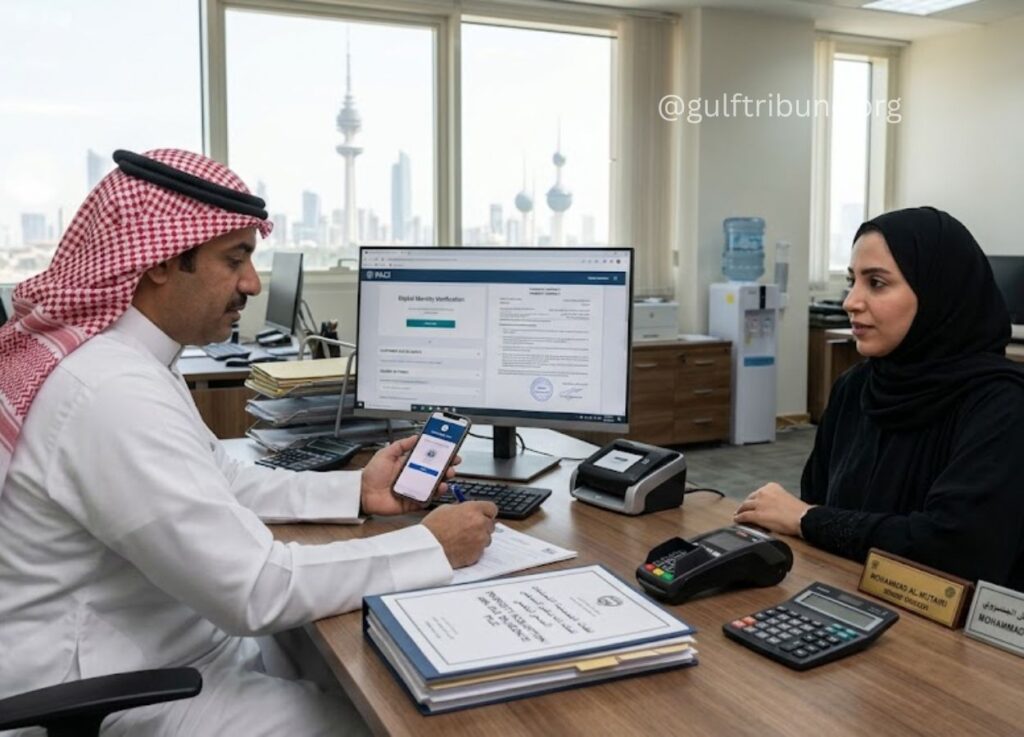
The regulatory framework, signed by Minister of Commerce and Industry Osama Khaled Boodai, moves away from standard compliance measures in favour of customised risk assessments. Businesses are required to evaluate specific vulnerabilities associated with their geographic footprint, client profiles, and operational scale. To eliminate anonymous financing, the rules explicitly ban corporate interactions involving fictitious entities, prohibit direct cash transactions across both sectors, and mandate that all sales transactions utilise authorised non-cash payment channels approved by the Central Bank of Kuwait. Any flagged or suspicious transactions must be reported within two working days.
Real estate brokers and gold merchants are also required to implement approved electronic inventory management software, hire dedicated compliance officers, and institute mandatory staff training programmes to spot illicit financial flags. Furthermore, transactions exceeding 3,000 Kuwaiti dinars now necessitate full identity verification, including civil documents for residents and valid passports for foreign entities.
The sweeping measures come as part of broader national efforts to tighten oversight across commercial channels. Due to their high valuation, mobility, and inherent market liquidity, precious metals and real estate remain primary targets for illicit capital movement. By enforcing strict beneficial ownership transparency and digital audit trails, Kuwait aims to eliminate financial blind spots, prevent corporate concealment, and align its national market operations with international financial standards. Gulf Tribune