


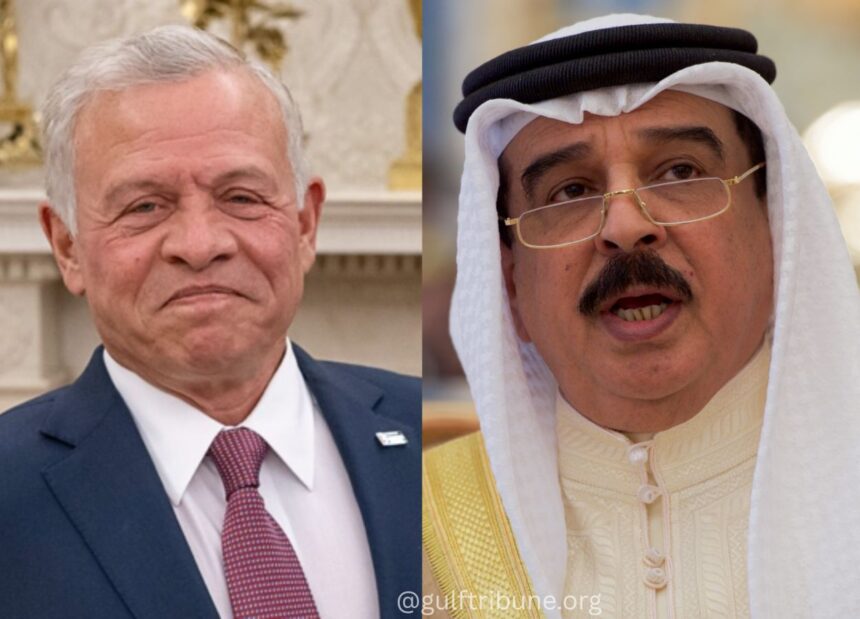
A meeting was held between King Abdullah II of Jordan and King Hamad bin Isa Al-Khalifa of Bahrain through a phone discussion in light of the growing security concerns in the Middle East in the wake of a fresh bout of military attacks in the region, sources confirmed Thursday.
In the discussion, it was highlighted by both rulers that there is an urgent need to ensure that no further escalation of operations takes place in the entire Middle East region. Both monarchs considered steps to enhance cooperation in security and economic matters to ensure the sovereignty of their nations and the safety of non-combatants.
A central priority of the discussion centred on ongoing diplomatic proceedings before the United Nations Security Council designed to institute binding de-escalation mechanisms. Both leaders reaffirmed their shared commitment to aligning joint diplomatic stances within international bodies to advocate for regional stability, safeguard crucial maritime transport routes, and mitigate hostile impacts targeting non-aligned sovereign states.
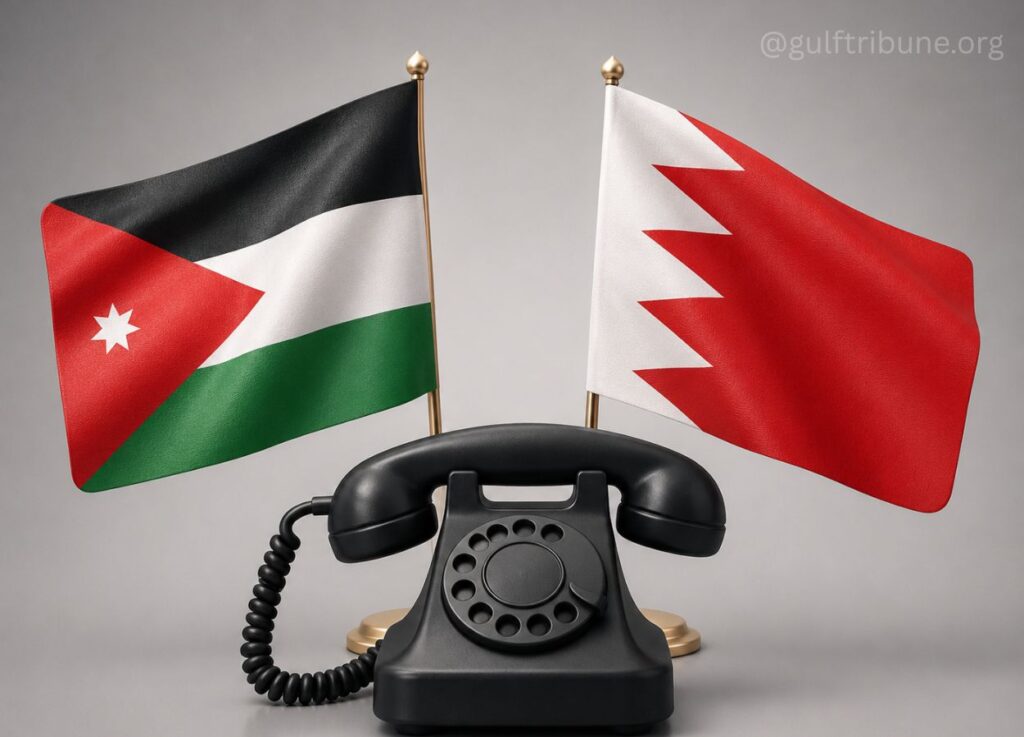
The emergency consultation follows heightened strategic friction after Iranian forces launched missile and drone strikes targeting installations inside Jordan and Bahrain. The localised bombardments marked a sharp resurgence in hostilities following the breakdown of recent diplomatic talks. The expanding confrontation between Washington, Israel, and Tehran has repeatedly impacted surrounding neutral nations—including Syria, Iraq, Qatar, Türkiye, Kuwait, Saudi Arabia, Oman, and the United Arab Emirates—despite none of these countries acting as direct belligerents in the conflict.
Prior short-lived pauses in active combat had been arranged over the preceding months to facilitate international negotiations surrounding Tehran’s nuclear development programme and secure commercial shipping transit through the critical Strait of Hormuz. However, those diplomatic channels stalled without reaching a permanent settlement, leaving the strategic waterway largely blocked to global maritime traffic and severely disrupting regional energy exports.
The latest temporary lull concluded when the United States military resumed heavy targeted air operations against Iranian military assets, striking primary air defence networks, radar installations, and strategic naval facilities. Against this volatile strategic backdrop, both sovereign leaders reiterated that active Arab coordination and multilateral pressure within the UN Security Council remain essential to preventing wider regional spillover and safeguarding long-term stability across the Levant and Gulf areas.