


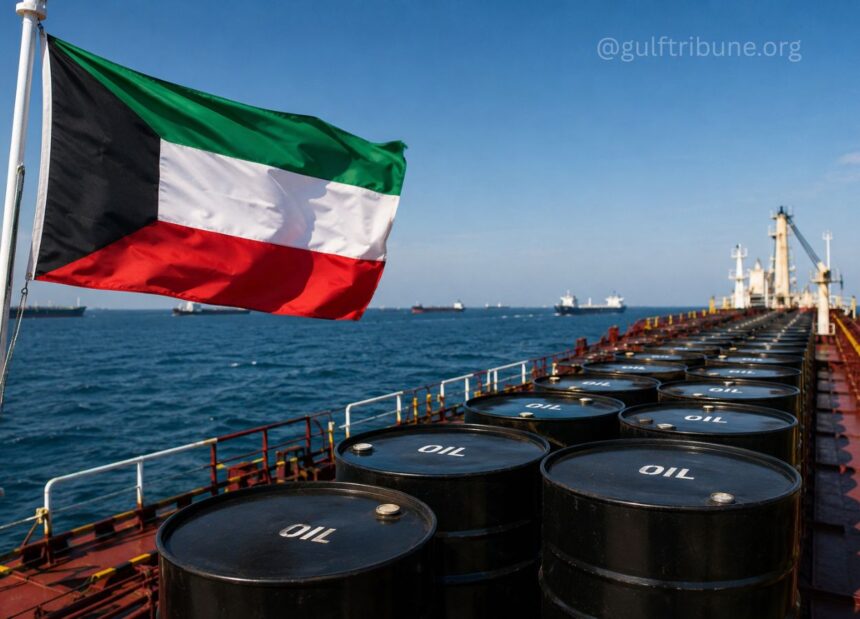
The rising tensions in geopolitical scenarios in the Persian Gulf region have immensely affected Kuwait’s oil production industry, making it evident that there is an acute level of strategic vulnerability that exists for the Gulf nation due to the constant maritime chokepoints present in the Strait of Hormuz.
The resulting maritime situation, caused by rising military tension and security threats in the region, has immensely impacted the production of crude from Kuwait’s main coastal ports. As the majority of Kuwait’s revenues derive from petroleum resources, the resulting congestion in this vital maritime route presents an urgent economic challenge to the country.
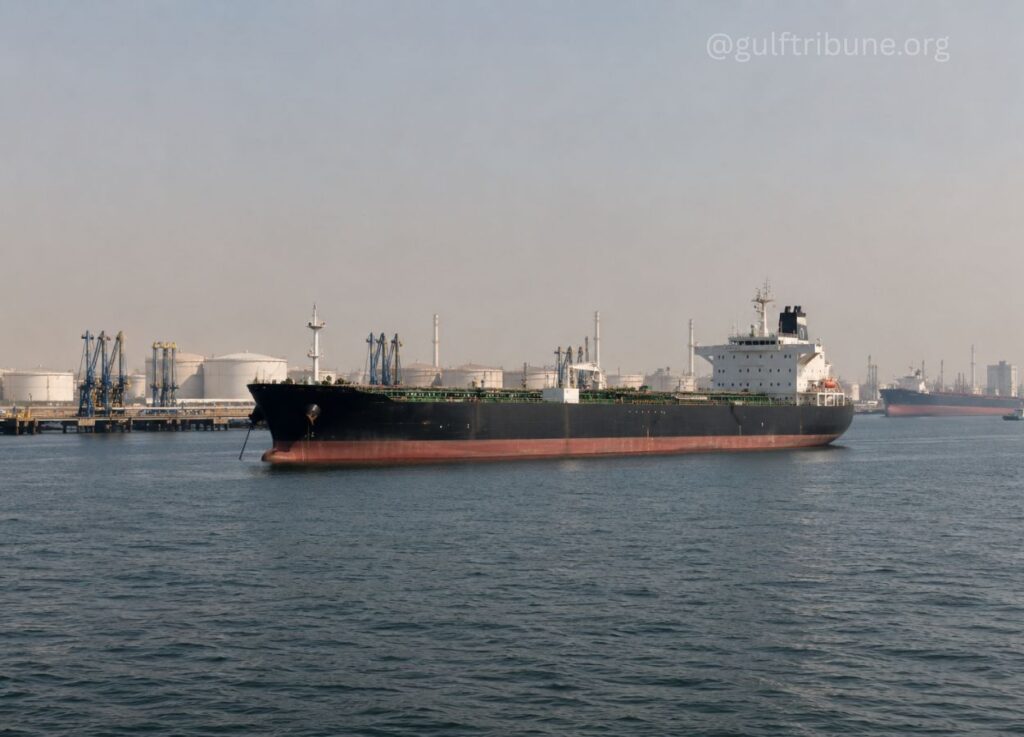
Energy market analysts emphasise that while Kuwait retains substantial sovereign reserve funds to absorb near-term financial shocks, sustained blockades severely heighten structural economic risks. Severe operational backlogs at the state-of-the-art Al-Zour refining facility and key offshore loading hubs demonstrate how dependent Arabian Peninsula energy exporters remain on unhindered access to international shipping lanes.
According to global energy intelligence firm Kpler, Kuwait’s geographical dependence on the Hormuz maritime passageway represents a single-point operational risk within its trade supply chain. Industry experts estimate that while domestic oil output could potentially rebound to baseline operational capacity within two to three months after transit security stabilises, extended maritime insecurity risks inflicting severe collateral damage across state-subsidised industries and public spending budgets.
The ongoing disruption underscores systemic vulnerabilities embedded throughout regional energy networks during periods of diplomatic and military instability. In response, energy policy strategists across the Gulf Cooperation Council are re-evaluating national buffer stockpiles, assessing alternative bypass routes, and strengthening collective maritime protection frameworks to safeguard key commercial routes.
Until full navigation freedom is restored throughout these vital waterways, Kuwait and neighbouring Gulf state producers must continuously manage operational friction, carefully balancing domestic extraction capacity against restricted maritime export channels.