

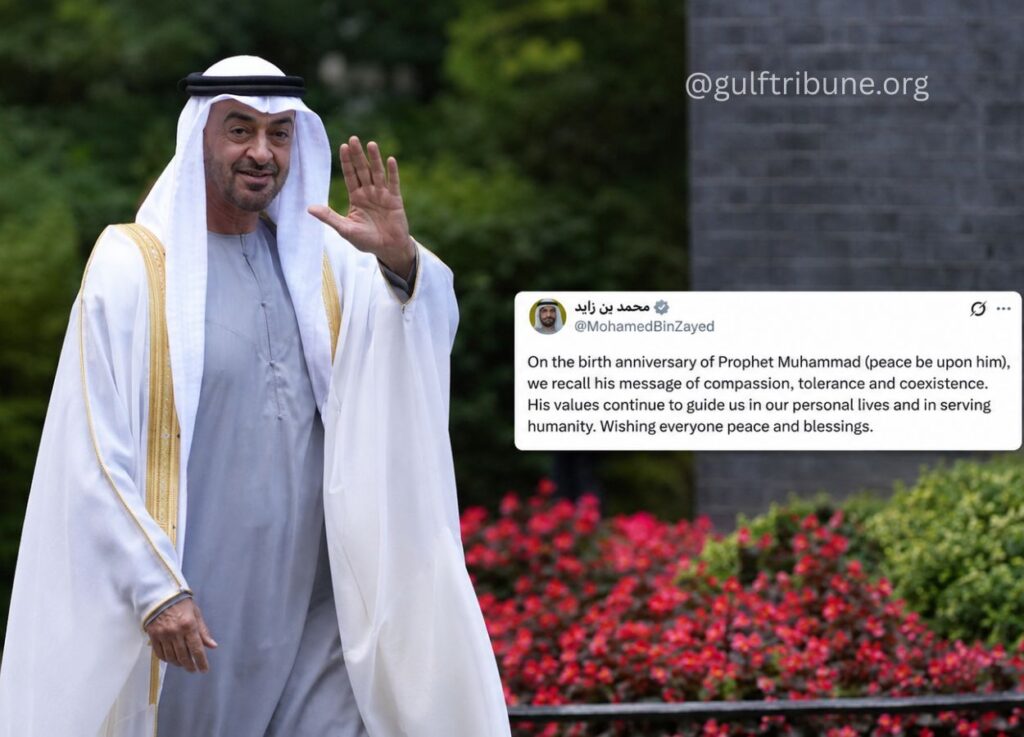
A national speech was given by the President of the United Arab Emirates, Sheikh Mohamed bin Zayed Al Nahyan, on Tuesday, 25th August 2026, on the birth anniversary of Prophet Muhammad to bring about peace, compassion and peaceful coexistence.
In a press statement shared on the networking site known as X, Sheikh Mohamed said that the time-tested moral values that have been brought forth by the Prophet serve as guiding principles for mankind. The president shared his hopes for the United Arab Emirates to be prosperous and full of happiness. He also asked for peace and stability across the Middle East.
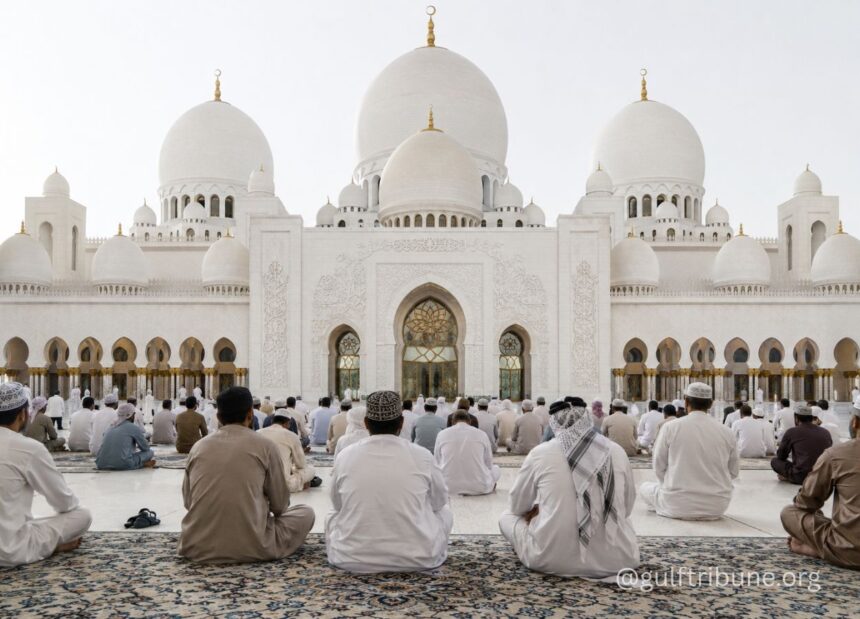
The sacred occasion, known in Arabic as Mawlid Al Nabawi, is marked annually on the 12th day of Rabi Al Awwal, the third month of the Islamic lunar calendar. Senior leadership throughout the seven emirates joined in issuing commemorative statements. Sheikh Mohammed bin Rashid Al Maktoum, Vice President, Prime Minister, and Ruler of Dubai, alongside Sheikh Mansour bin Zayed Al Nahyan, Vice President, Deputy Prime Minister, and Chairman of the Presidential Court, both shared public tributes reflecting on the spiritual legacy of the day.
Although the astronomical occurrence of the birth anniversary lands mid-week on August 25, official regulations established by the UAE Cabinet permit public holiday transfers to optimize operational productivity and workforce well-being. Consequently, the UAE Government Media Office confirmed that the paid public holiday for both federal government entities and private sector organizations will take place on Friday, August 28. This strategic arrangement provides employees across the country with a three-day extended weekend spanning Friday through Sunday, August 30, before standard business operations resume on Monday, August 31.
Throughout the UAE, observances for Mawlid Al Nabawi maintain a quiet, reflective atmosphere rather than lavish public festivities. Families typically gather for shared meals, while local institutions and mosques organize sessions dedicated to religious lectures, peaceful reflection, and classical recitations of the Holy Quran. Educational programs across the GCC region also utilize the period to highlight historical accounts detailing the life, teachings, and ethical guidance of Prophet Muhammad. The observance reflects the Gulf nation’s ongoing commitment to fostering cultural heritage, interfaith dialogue, and shared humanitarian principles across all segments of its diverse society.