

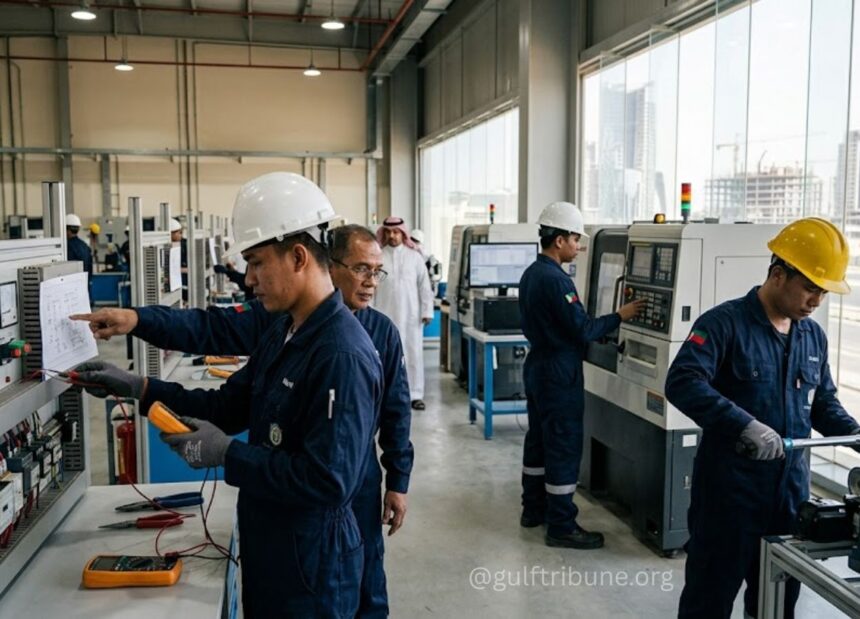
There is an ongoing strategy between the two countries for the transformation of their labor relations towards technical skills development, vocational training, and specialized workforce training to meet the human resource requirements of Saudi Vision 2030.
It is a major structural change that indicates moving away from conventional low-skill hiring towards talent development in key economic sectors. In the new collaborative agreement, there will be increased cooperation between the Ministry of Human Resource Development of Saudi Arabia and DMW of the Philippines to align their overseas training programs with the giga-projects, hospitality sector, advanced health care sector, and digital infrastructure of the Kingdom.
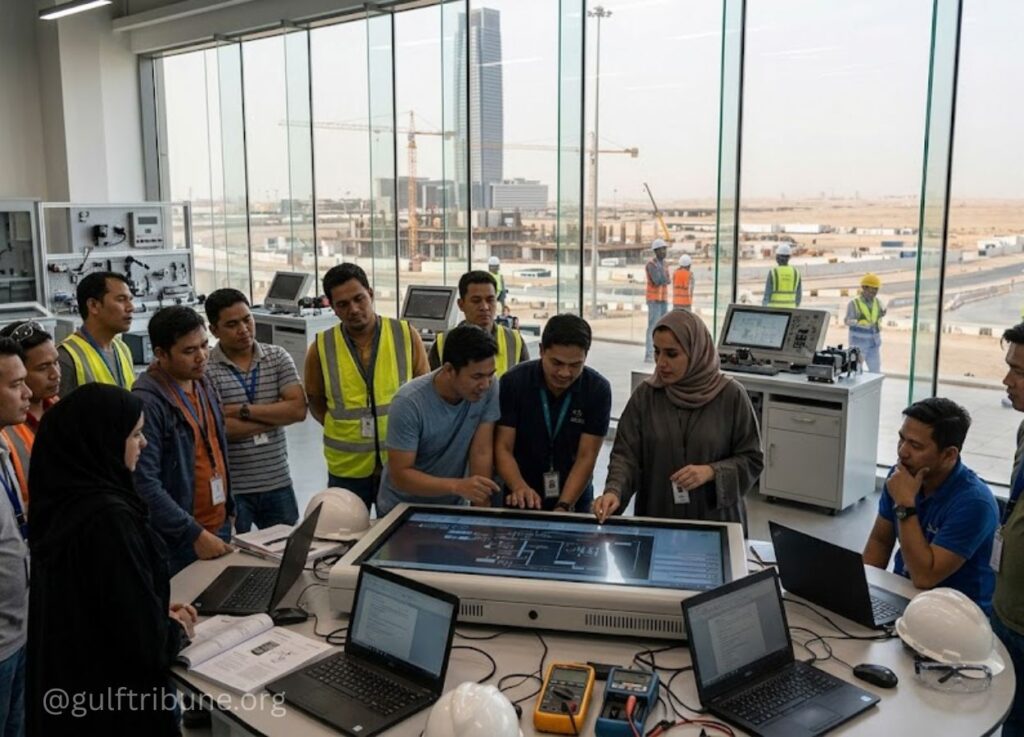
A central pillar of the modernized labor pipeline is the extension of the Skill Verification Program (SVP). The joint initiative verifies that incoming professional and technical personnel possess accredited skill sets prior to deployment from Manila. By standardizing pre-departure technical testing and continuous vocational education, both governments aim to boost operational productivity across major infrastructure developments while ensuring fair wage progression and ethical employment practices for Overseas Filipino Workers (OFWs).
Diplomatic and labor representatives from both capitals noted that institutionalizing skill-based recruitment channels provides vital economic stability for migrant workers while directly addressing talent shortages in Saudi Arabia’s expanding non-oil economy. Beyond technical alignment, bilateral discussions continue to prioritize the modernization of digital recruitment portals, streamlined contract authentication, and enhanced legal protections for domestic and service sector employees across the Kingdom.
The collaborative emphasis on professional accreditation underscores a broader regional trend as Gulf Cooperation Council (GCC) economies modernize labor migration policies. By pairing specialized workforce capabilities with strict labor compliance frameworks, Riyadh and Manila are establishing a sustainable economic model that enhances bilateral trade, reinforces supply chain resilience, and secures long-term economic mobility for thousands of skilled Filipino professionals operating in the Middle East.