


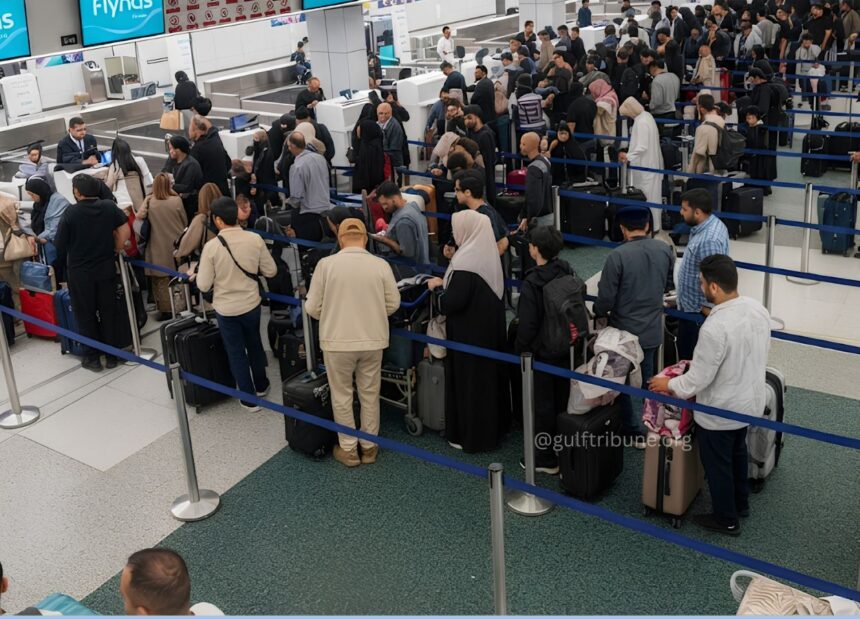
The ongoing geopolitical tensions in the Middle East continue to affect airspace, compelling major airline operators in the UAE to adjust timetables, reroute flights, and cancel some regional routes after an extensive weekend of flight disruptions. UAE flight delays
While the big international airports in Dubai and Abu Dhabi continue to be operational, passengers in the UAE were facing delays up to Monday morning. The major long-haul carriers Emirates and Etihad Airways have managed to fly their major route networks without many problems, but their regional and medium-haul flights experienced some delays. In contrast, budget carriers such as Flydubai and Air Arabia had to cancel numerous flights from Dubai, Abu Dhabi, and Sharjah to the regional destinations.
The operational strain on airlines comes alongside sharp increases in fuel costs. Data from the International Air Transport Association (IATA) shows that global jet fuel prices surged 7.4 percent in a single week to reach $194.90 per barrel, adding financial pressure on carriers already navigating longer flight paths to bypass restricted airspace.
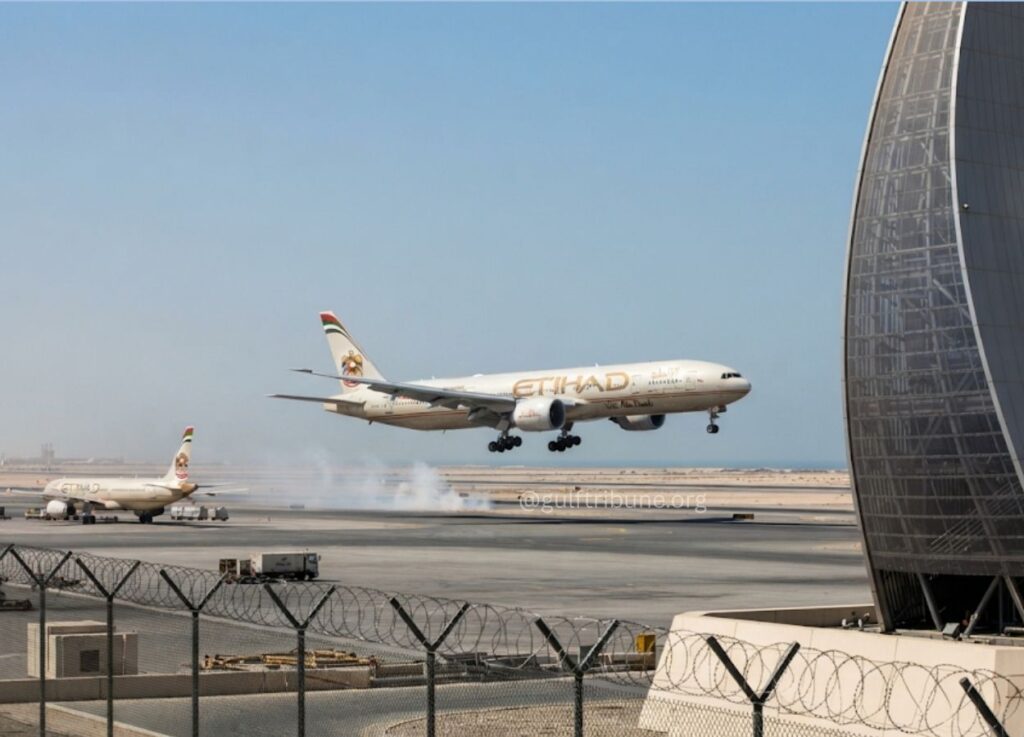
Simultaneously, diplomatic missions and foreign governments—including the United States, the United Kingdom, Canada, and Australia—have updated their travel advisories for the region. Foreign authorities warned travellers of potential airspace closures, sudden schedule changes, and ongoing security uncertainties, prompting mixed reactions from global airlines.
While carriers such as Turkish Airlines have resumed flights to the UAE, several major international operators—including Air France, KLM, SWISS, ITA Airways, and Air Canada—have extended route suspensions into late October or early next year. Others, including Lufthansa and British Airways, have scheduled tentative service resumptions for late autumn.
Local disruptions remain largely concentrated on short-haul regional links rather than major international trunk routes. Outbound flights from Dubai International Airport (DXB) and Zayed International Airport in Abu Dhabi saw morning delays across select South Asian and Gulf itineraries. Additionally, the UAE has suspended all operations by Iranian airlines within its airspace until further notice following recent international sanctions targeting Iranian aviation entities.
Aviation authorities and UAE-based carriers continue to urge all departing passengers to monitor flight statuses online before travelling to terminals, with budget operators recommending that passengers arrive up to four hours prior to departure to clear enhanced processing measures. Gulf Tribune