


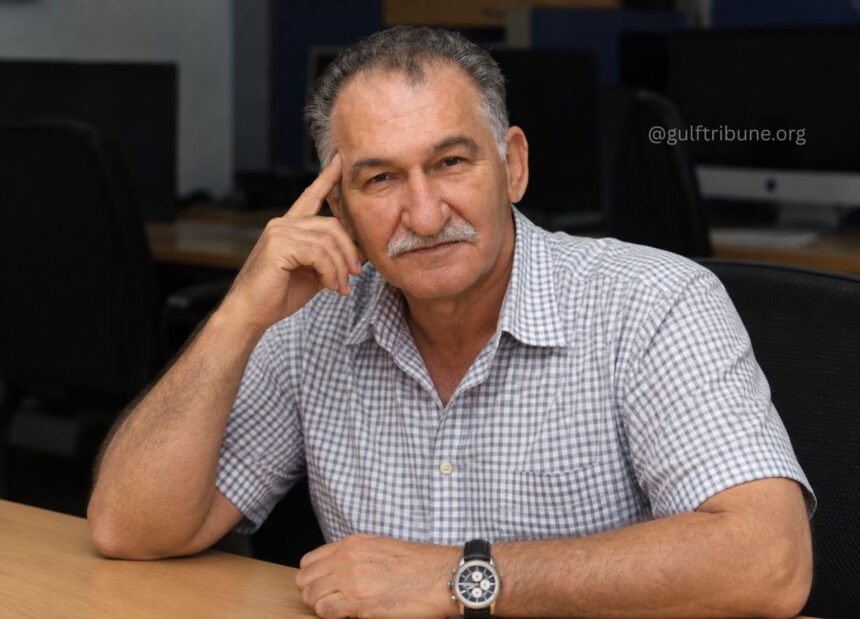
Sixty years of fast-paced modern development and technological revolutions have radically changed the face of the Kuwaiti media industry, which can be illustrated through the work of experienced journalist Joseph Shagra of Kuwait Times’ photography section. This veteran press photographer has been covering the developments in politics, economics, and social sphere of the Gulf state since 1962. Joseph Shagra Kuwait media
Shagra’s impressive archive of work for Kuwait Times is a reflection of the most important events in the recent history of the Gulf region. Moreover, his experience reflects how rapidly developing digital technologies and changing security procedures have changed the nature of news photography from a technically sophisticated and demanding endeavor to a digital one.
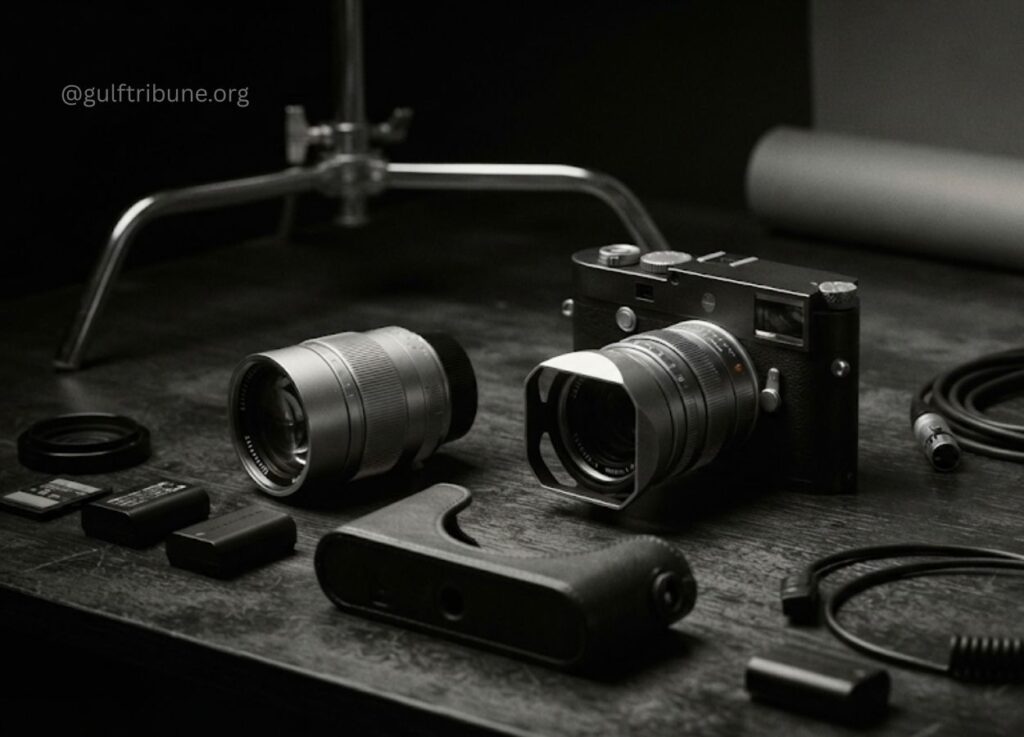
Reflecting on his entry into the field during the early 1960s, Shagra noted that press photography required immense physical stamina alongside deep technical expertise. Field photojournalists routinely carried manual camera rigs and heavy battery packs for flash units, with gear often exceeding seven kilograms. Press photographers manually processed film negatives inside newsroom darkrooms, meticulously hand-printing selected images for morning publication deadlines.
The media ecosystem was equally compact when Shagra began his career. Kuwait’s press landscape consisted of only five Arabic daily newspapers and two English publications. Today, the sector has expanded exponentially to encompass dozens of traditional print outlets alongside digital news organizations and real-time social media networks. While modern lightweight digital cameras have fully automated complex technical settings like shutter speed and aperture, Shagra emphasized that automated capture has saturated the media environment, making truly exceptional photojournalism harder to distinguish.
Media access has also undergone radical structural shifts over the decades. During earlier eras, accredited press photographers maintained direct proximity to senior government officials, including His Highness the Amir of Kuwait and foreign leaders arriving at international airports. Today, stringent national security measures and centralized official media channels strictly manage access, changing how press photographers cover high-level diplomatic and state functions.
Beyond operational challenges, Shagra highlighted the deep mentorship he received from Kuwait Times founder Yousuf Saleh Alyan, crediting the pioneering newsroom environment with fostering his professional growth. As the industry shifts toward rapid mobile reporting, veteran press photographers remain vital cultural historians whose archival images preserve the visual record of the modern Gulf region. Gulf Tribune