


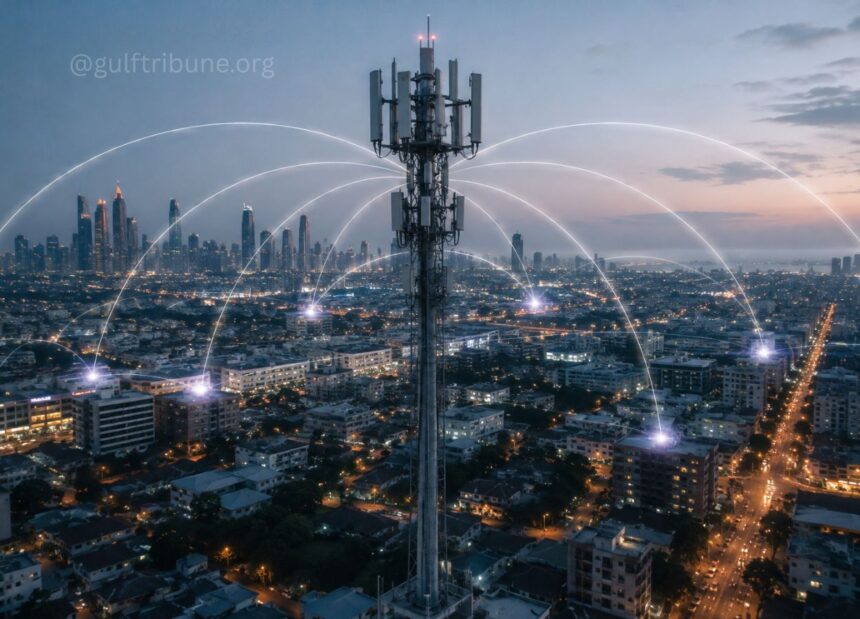
Behind every surprising ring of sound that occurs in the UAE’s mobile devices, there is a highly specialised and highly targeted crisis communications system intended for the protection of people in emergency situations.
The National Early Warning System works under the supervision of both NCEMA and the Ministry of Interior. Instead of using regular SMS messaging, which may be hindered by network congestion, the system uses cellular broadcast technology for its emergency alert communications. This system enables the authorities to send emergency alerts to cellular towers and to all mobile phones connected in that area within seconds without even using any phone number or contact details.
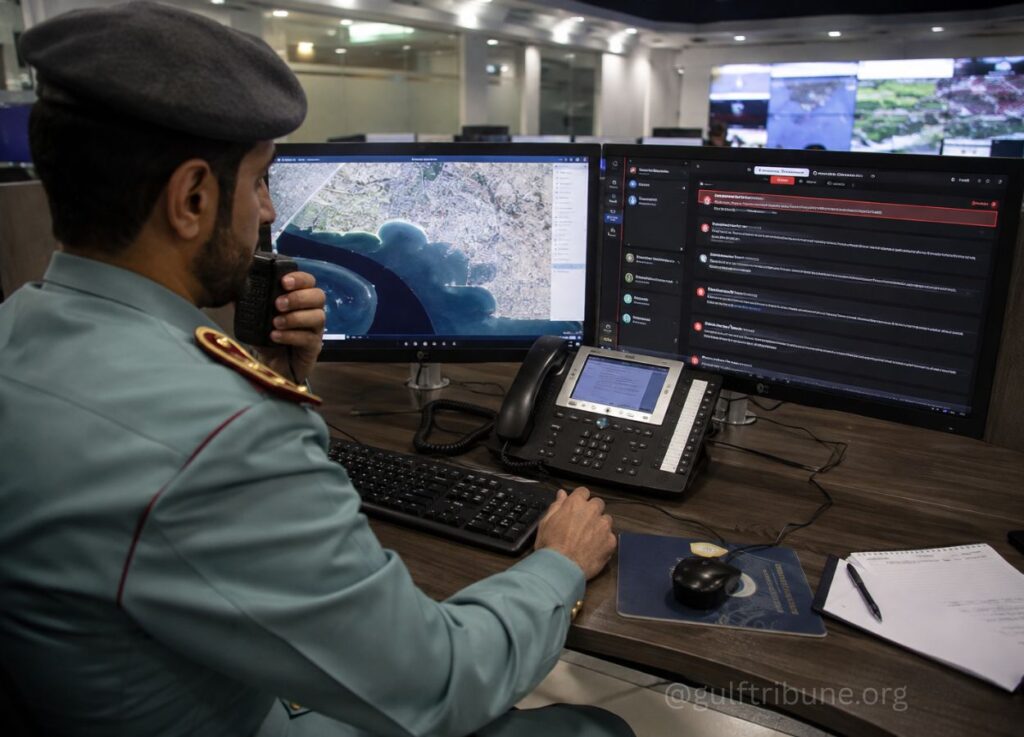
Precision geographic targeting forms the fundamental core of the system’s operational architecture. Alerts are distributed based on strict spatial parameters, directly taking into account the exact location, specific nature, and potential severity of an unfolding hazard. Consequently, residents in one immediate neighbourhood might receive an urgent notification regarding localised severe weather conditions or civil defence operations, while individuals situated just a few kilometres away remain unnotified. Authorities emphasise that omitting non-affected zones is an intentional design feature to prevent unnecessary public anxiety, reflecting true operational precision rather than technical system failure.
The technology reaches every operational mobile handset within a designated target radius, overriding silent audio profiles during critical daytime situations to ensure life-saving instructions are heard. Furthermore, it functions seamlessly across all local telecommunications provider networks and applies equally to foreign SIM cards, guaranteeing that international visitors, business travellers, and long-term residents receive identical safety guidance simultaneously.
To optimise public comfort without compromising civil protection, officials calibrated alert protocols to deliver softer text-style notifications during overnight hours, reserving maximum-volume audio alarms strictly for urgent daytime threats. By transforming commercial smartphones into localised safety receivers, the system strengthens overall national preparedness and reinforces public trust through swift, verified official communication during critical incidents.