


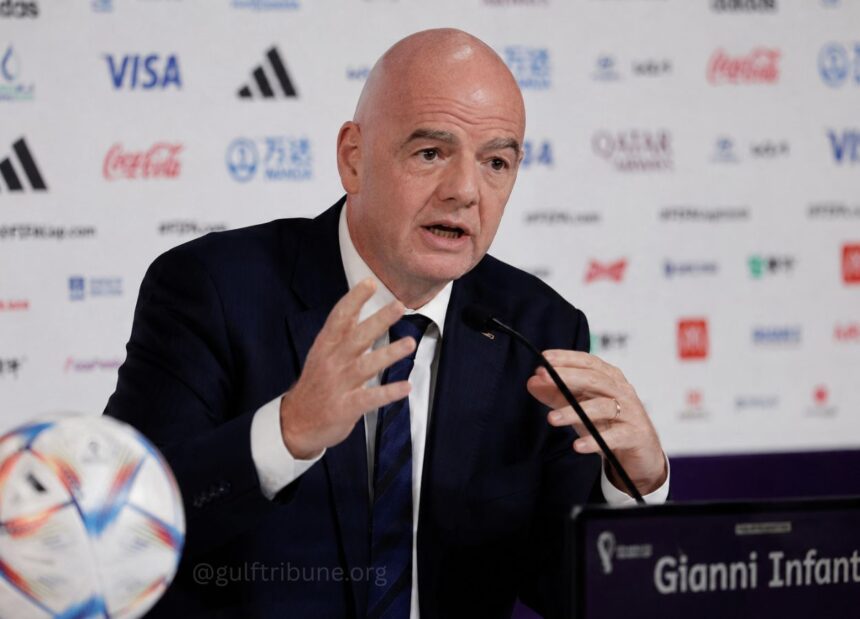
FIFA has taken a step back from its proposal to bring private investors into the commercial future of the FIFA World Cup. The governing bodies and stakeholders of the FIFA World Cup have shown concern over the tournament’s long-term independence. The move is a significant blow to FIFA President Gianni Infantino, as his proposal had sparked one of the biggest governance debates in football in recent years.”
Under the proposal, FIFA would establish a new commercial business to manage the World Cup and its other competitions, with outside investors taking a minority stake through a multi-billion-dollar investment.
FIFA argued the move would unlock additional funding to expand football development worldwide, but critics warned it could give private financial interests unprecedented influence over the sport’s flagship tournament.
Resistance quickly spread across global football. UEFA emerged as the strongest opponent, while other continental confederations, including Concacaf and the Asian Football Confederation, also expressed concerns about the proposal’s impact on football governance. Reports indicated that some organizations even discussed the possibility of boycotting FIFA competitions if the plan moved forward.
The controversy was intensified by rare public criticism from within FIFA itself. Chief Operating Officer Kevin Lamour accused the leadership of failing to fully inform staff about the project, while senior adviser Carlos Cordeiro resigned, arguing there was no financial necessity to sell part of the World Cup’s commercial rights given FIFA’s strong revenues and debt-free position. Their objections added pressure on Infantino as questions grew over transparency and decision-making inside the organization.
Facing growing resistance, Infantino confirmed the investment proposal would not proceed, saying preserving unity across world football had become the priority. The reversal comes as FIFA prepares for future tournaments, including discussions over the expansion of the men’s World Cup, while the governing body seeks to rebuild confidence among member associations ahead of its next presidential election. Analysts say the episode has exposed deep divisions over how football’s biggest competitions should be managed and financed in the years ahead.