

The UAE’s leading airlines find themselves facing a very complicated situation of cancelled flights, diverted routes, and delayed schedules in light of a sudden military escalation involving the US and Iran that has put the safety of airspaces in the Arabian Gulf at risk.
Air traffic operations at Dubai, Abu Dhabi, and Sharjah airports have been plunged into a state of uncertainty in light of the sudden US military strikes against Iranian territory that occurred on September 1. This has been followed by missile and unmanned aerial attacks targeting the interests of the US military in Kuwait, Bahrain, and Jordan.
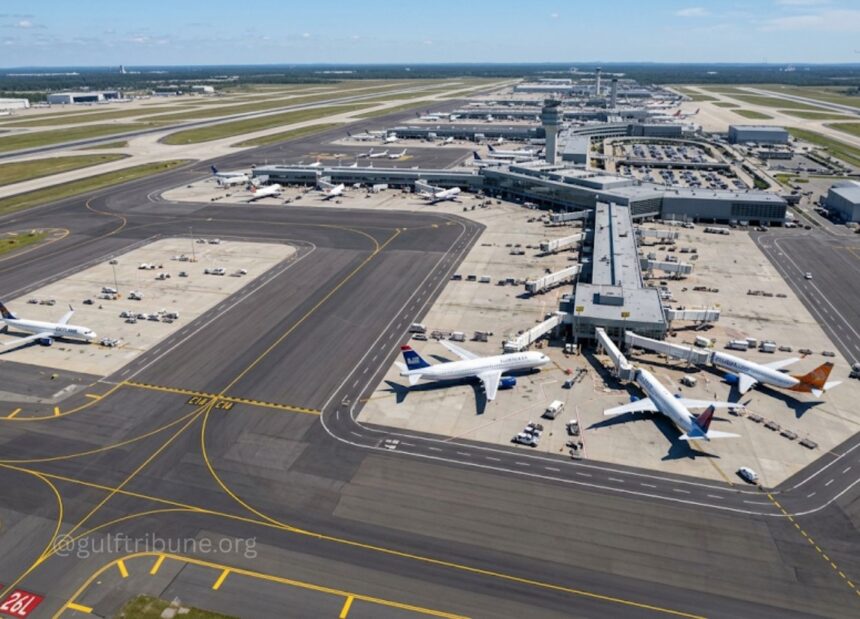
The sudden exchange of long-range aerial fire forced civil aviation safety regulators to alter transit corridors, leaving UAE flag carriers Emirates, Etihad Airways, Flydubai, and Air Arabia operating restricted flight networks, while several international airlines suspended service to the region entirely.
The operational turmoil represents a significant hit to Middle Eastern commercial travel, forcing regional aviation security managers to constantly adjust flight paths around high-risk transit corridors. While UAE carriers continue operating primary long-haul schedules, regional connection points are bearing the main brunt of security restrictions. Air Arabia cancelled multiple departures out of Sharjah and Abu Dhabi bound for Kuwait and Bahrain, while Emirates dropped services to Basra and logged significant delays on key European routes to London Heathrow and Zurich. Etihad Airways similarly reported diversions on long-haul Asian routes alongside cancellations across neighbouring Gulf destinations due to intermittent regional airport closures.
International aviation networks responded to the crisis with widespread pullbacks. European and North American flag carriers, including Lufthansa Group, British Airways, Air Canada, and Virgin Atlantic, extended total suspensions on their UAE and wider Middle Eastern routes, citing unmitigated operational risks in regional transit corridors. While select regional entities such as Air India, Turkish Airlines, and Qatar Airways have gradually restored flights, schedules remain highly vulnerable to sudden airspace lockdowns and conflict-zone security bulletins issued by international safety agencies.
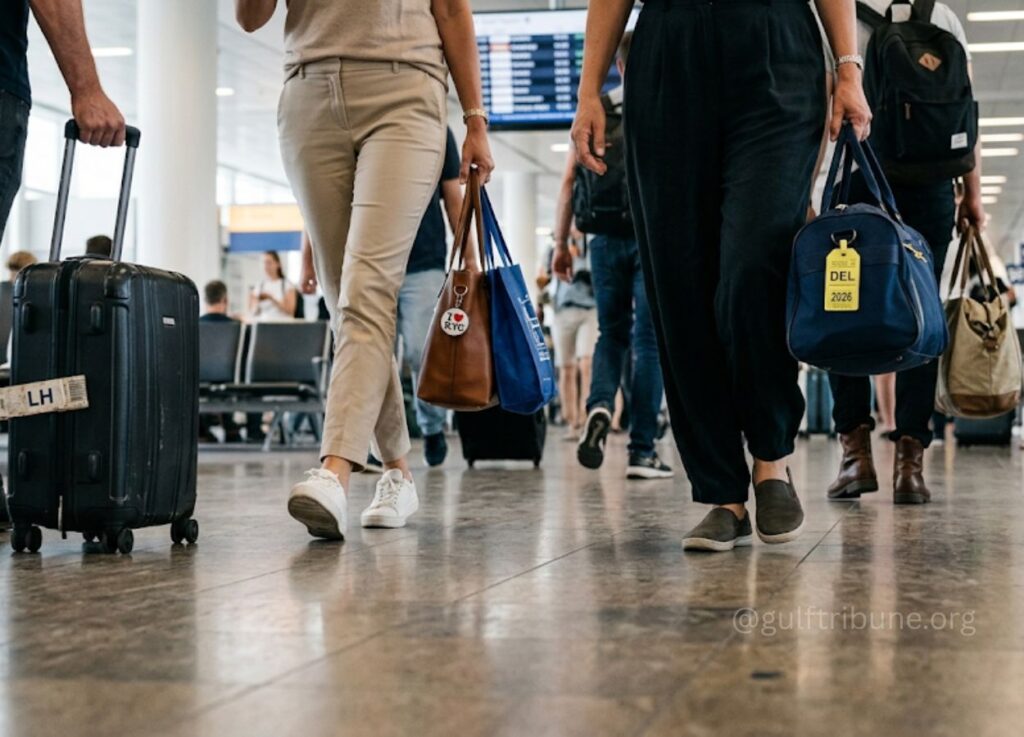
Airport operations personnel across the Emirates urged departing passengers to confirm their flight status before travelling to terminals and recommended arriving at least four hours prior to international departures to clear heightened security checkpoints. Aviation authorities confirmed that continuous domain surveillance will govern all commercial flight approvals while military risk assessments remain ongoing across regional airspace boundaries. Gulf Tribune