

Jordan takes another step towards making air travel more accommodating to disabled persons. There has been a signing of a memorandum of understanding between the Higher Council for the Rights of Persons with Disabilities and the Civil Aviation Regulatory Commission . The reason for the signing of this memorandum of understanding is to make sure that the travel experience of persons with disabilities and those with limited mobility is improved. The main motive of passengers is to be able to fly independently, safely, and with dignity while strengthening accessibility standards across the country’s civil aviation sector.
The memorandum creates a framework for closer cooperation between the two organizations to develop policies and procedures that make airports more accessible, improve services for passengers, and ensure compliance with Jordan’s Law on the Rights of Persons with Disabilities.

20 of 2017, the Civil Aviation Law, and international aviation standards. The initiative also aligns with commitments made by the Civil Aviation Regulatory Commission during the 2025 World Summit on Disability.
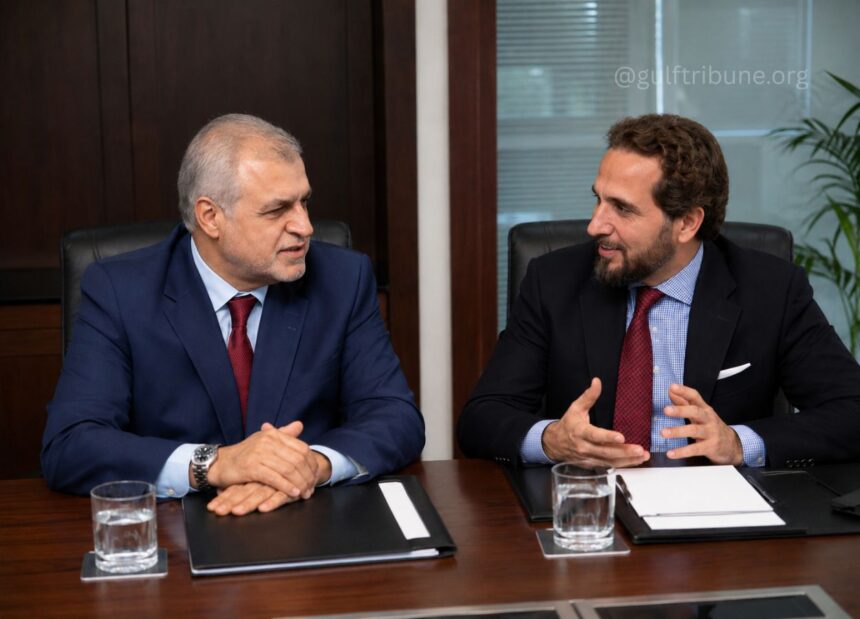
The agreement was signed by HRH Prince Mired bin Raad bin Zeid, President of the Higher Council for the Rights of Persons with Disabilities, and Captain Daifallah Al-Farajat, Chairman of CARC’s Board of Commissioners and Chief Executive Officer.
Prince Mired described accessible tourism as an important national investment that can stimulate economic growth while expanding opportunities for all travelers. He noted that failing to adapt tourism facilities and transport services for people with disabilities not only limits their right to travel but also reduces Jordan’s ability to capitalize on tourism and investment opportunities. According to him, the new partnership will help modernize policies governing aviation accessibility, improve airport readiness, and position Jordan as an inclusive travel destination that meets international expectations.
Al-Farajat said the memorandum is designed to strengthen institutional cooperation in protecting the rights of air passengers with disabilities and individuals with reduced mobility. He added that the collaboration will support the adoption of accessibility requirements and operational measures throughout Jordan’s aviation sector, helping create a more inclusive travel experience while bringing national aviation services in line with global accessibility practices.