

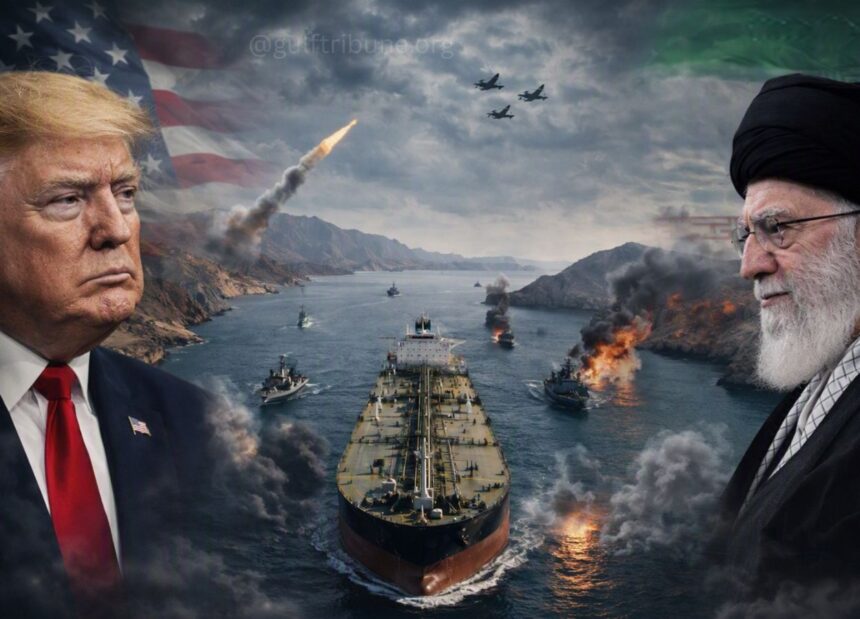
The US President, Donald Trump, in a public statement, refuted news reports that there were ongoing diplomatic talks between the two countries on Tuesday, clearly opposing statements issued by his administration officials concerning talks that could solve the regional dispute.
In one of the posts on his social media site, Trump mentioned that at the moment there are no formal negotiations going on or even being planned between the two nations. He again emphasised that the naval blockade which the US had put in place for Iran was working fine, and the Strait of Hormuz was free from sea mines.
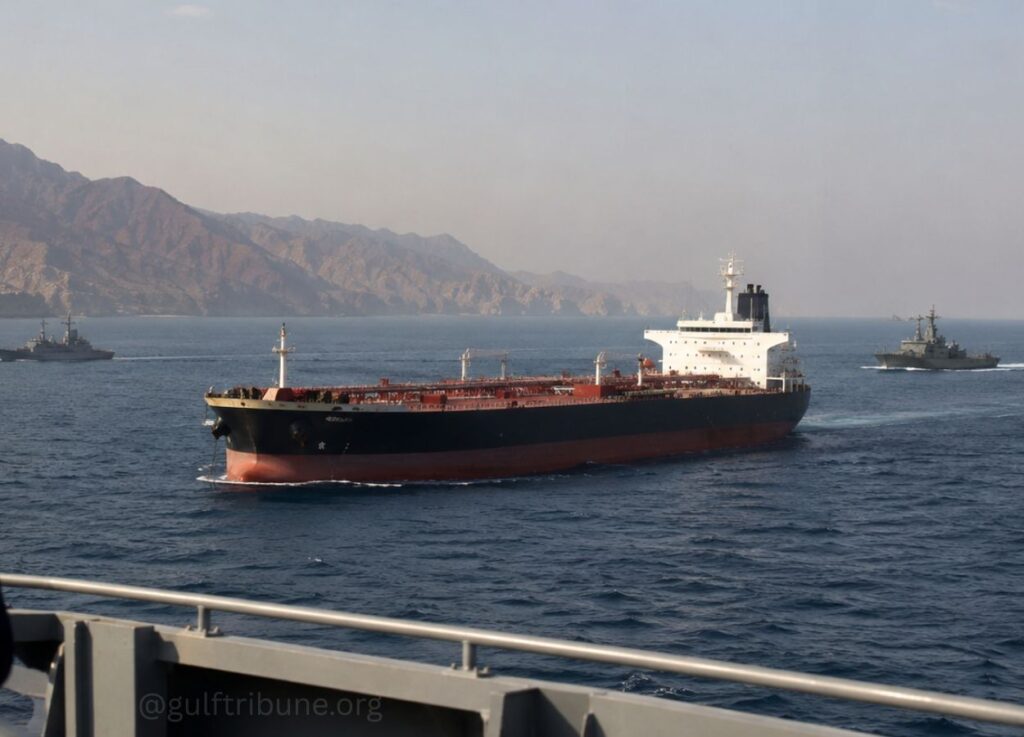
Earlier the same day, Trump published a map labelling the critical maritime transit corridor as “NEW U.S. Territory”, reiterating previous claims regarding sovereignty over the passage. The strategic waterway historically handles approximately one-fifth of global petroleum supplies, making its security vital for international energy stability.
The president’s direct denial clashed with comments delivered a day prior by senior envoy Jared Kushner, who indicated that Washington and Tehran were participating in active and constructive exchanges. US officials speaking anonymously clarified that preliminary talks had occurred, but Trump instructed his diplomatic team to pause all contact until Iranian leadership shows readiness to conclude a comprehensive deal.
The ongoing diplomatic deadlock coincides with rising domestic energy prices across the United States, presenting political challenges for the administration ahead of upcoming congressional midterm elections.
Meanwhile, Iranian officials reiterated a firm position regarding regional maritime operations. Speaking on state television, Iranian chief negotiator Mohammad Bagher Ghalibaf insisted that normal traffic through the strait will not resume until Washington fulfills obligations set out in prior agreements. Tehran’s demands include lifting the naval blockade on its commercial ports, removing energy sanctions, unfreezing national financial assets, and paying compensation for conflict-related damages.
Regional mediators, including Qatar and Oman, continue diplomatic efforts to bridge the divide and establish a framework for renewed bilateral talks.